Publications

The UNEP-DHI Centre, with significant support and commitment from its partnerships, constantly publishes reports focused exclusively on water resources management at global, regional and basin level.  The recent publications can be downloaded below.  

For enquiries relating to citations and referencing, please contact us

Filter our publications by topic:

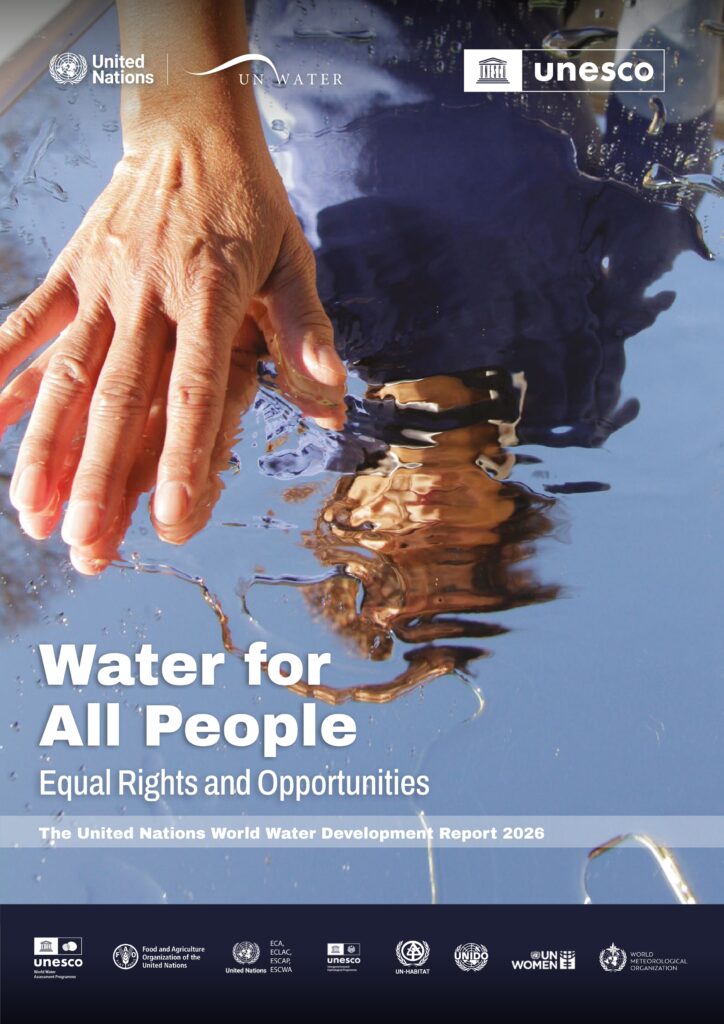
The United Nations World Water Development Report 2026
The United Nations World Water Development Report 2026: Water for All People – Equal Rights and Opportunities outlines practical steps to close gender gaps and advance progress towards sustainable water management and the Sustainable Development Goals.
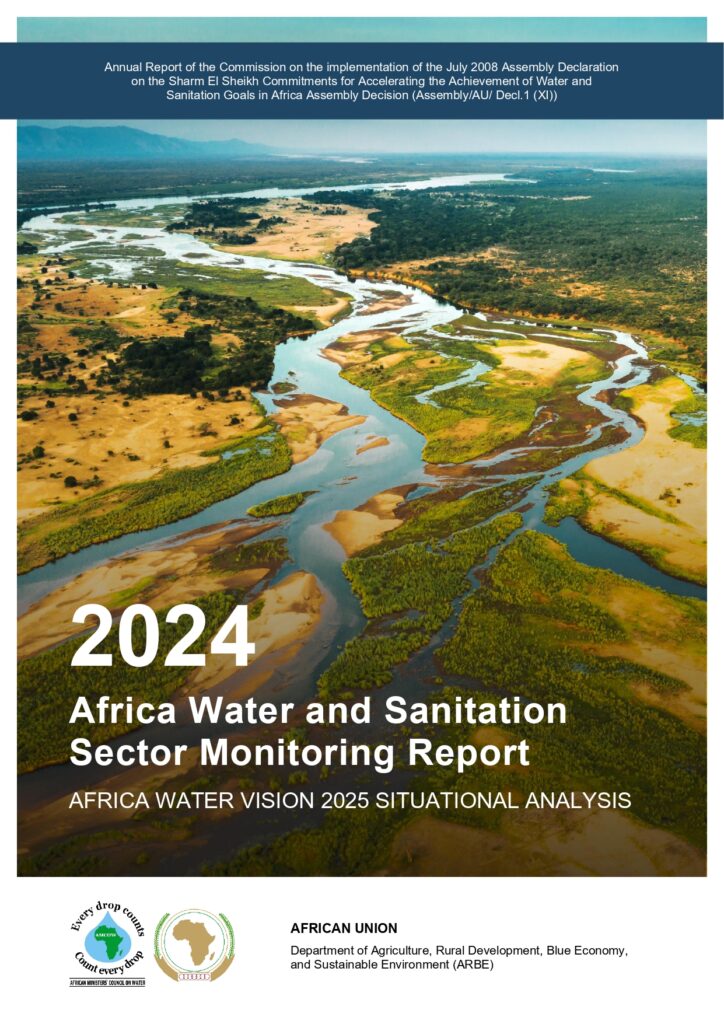
The 2024 Africa Water and Sanitation Sector Monitoring Report
The 2024 WASSMO report reviews Africa’s progress on water and sanitation. Based on contributions from 45 AU Member States, it integrates data from UNEP DHI’s SDG 6.5.1 monitoring initiative and highlights key recommendations to guide the transition toward Africa Water Vision 2063.
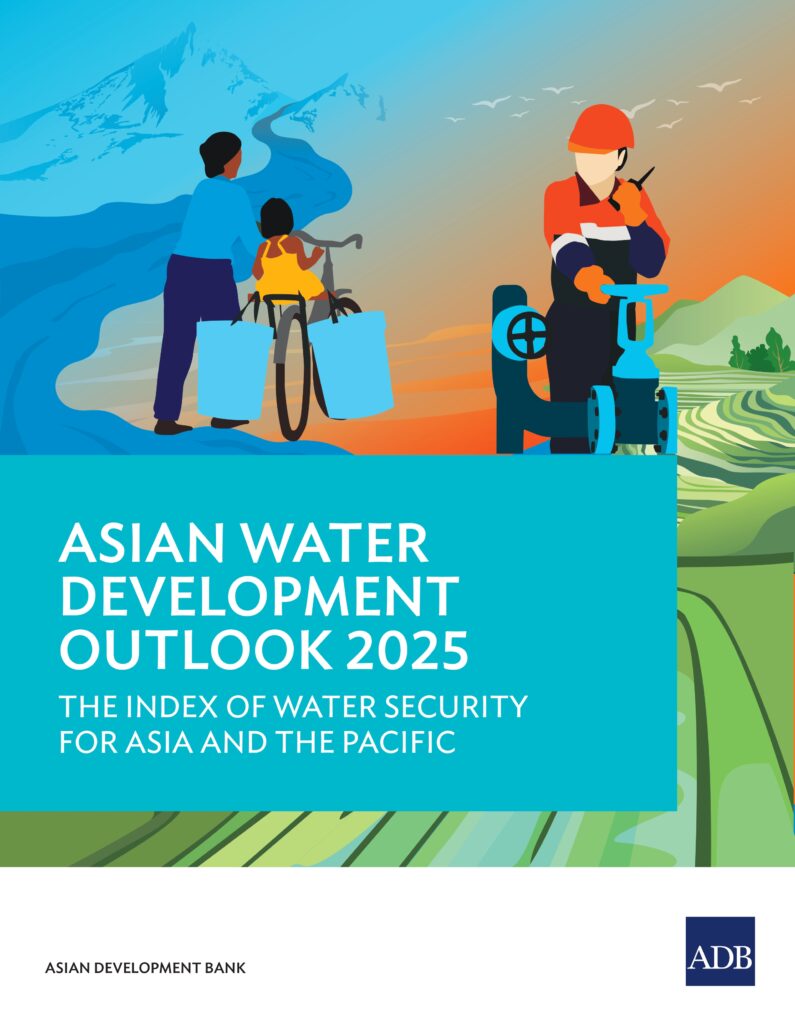
The Asian Water Development Outlook 2025
The Asian Water Development Outlook (AWDO) 2025 by the Asian Development Bank (ADB) is a comprehensive assessment of the state of water security in Asia and the Pacific. The UNEP-DHI Centre contributed insights on water governance and to country assessments for Bangladesh, Cambodia, Nepal, Pakistan and Tajikistan.
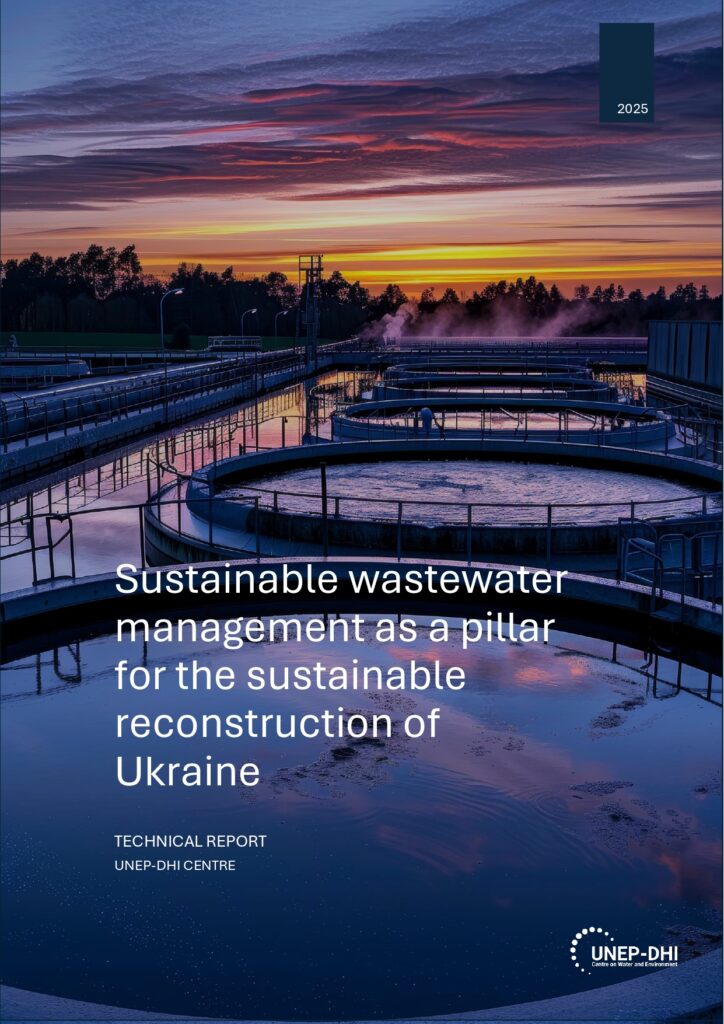
Sustainable wastewater management as a pillar for the sustainable reconstruction of Ukraine
The report "Sustainable wastewater management as a pillar for the sustainable reconstruction of Ukraine" emphasizes the critical role of sustainable wastewater management in Ukraine’s reconstruction. It outlines current challenges, investment needs, and practical, science-based solutions to transform wastewater into a resource for public health, climate resilience, and EU policy alignment.
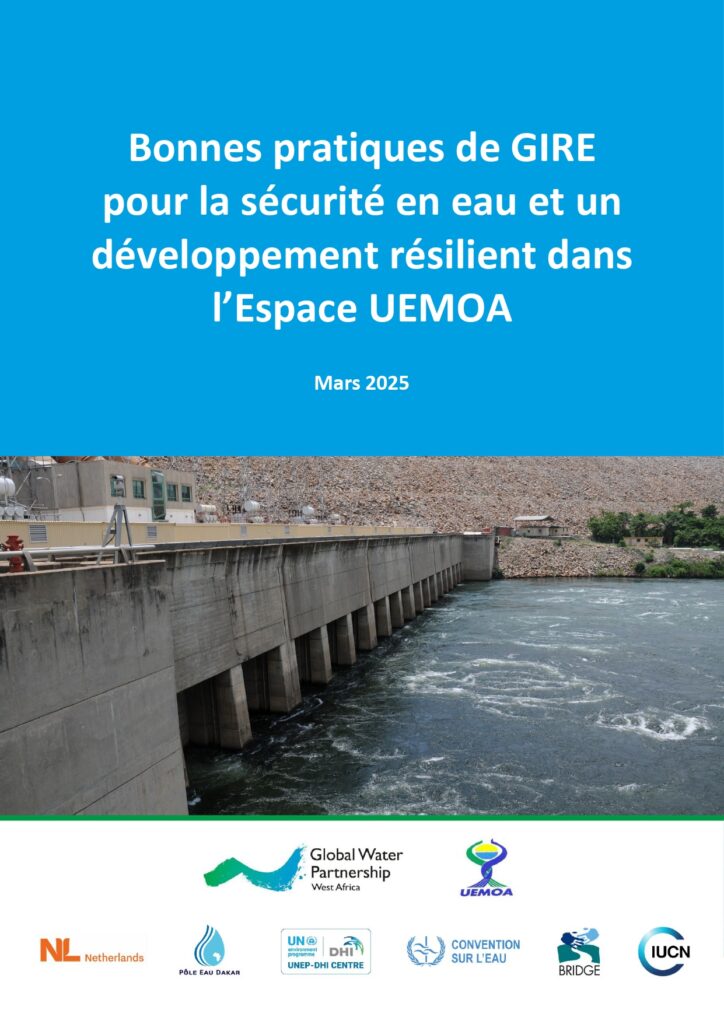
The 2025 Best Practices Manual for Integrated Water Resources Management (IWRM) in the WAEMU Region
The Best Practices Manual for Integrated Water Resources Management (IWRM) in the WAEMU Region highlights the critical need for effective water resource management to achieve sustainable development goals. It serves as a comprehensive guide for policymakers, practitioners, and stakeholders, presenting key challenges and showcasing successful case studies from the region.
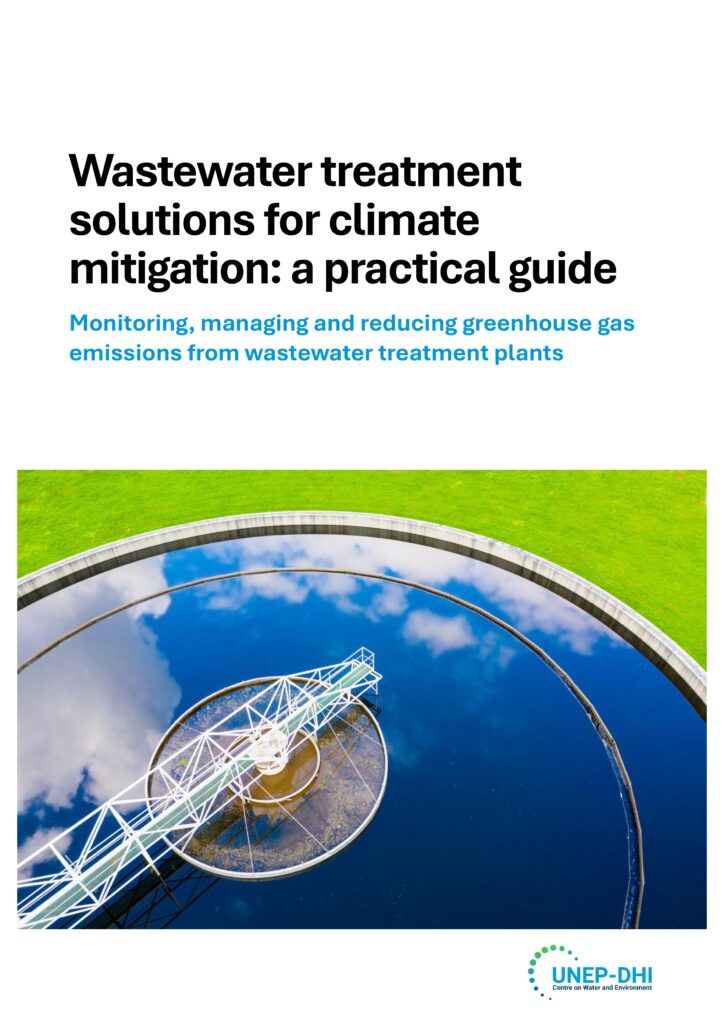
Wastewater treatment solutions for climate mitigation: a practical guide
The ‘Wastewater treatment solutions for climate mitigation: a practical guide’ provides practical strategies for reducing greenhouse gas emissions in the wastewater sector. It outlines methods for monitoring emissions, optimizing treatment processes, and implementing policy and technology solutions to help WWTPs move toward net-zero emissions while supporting global sanitation goals.
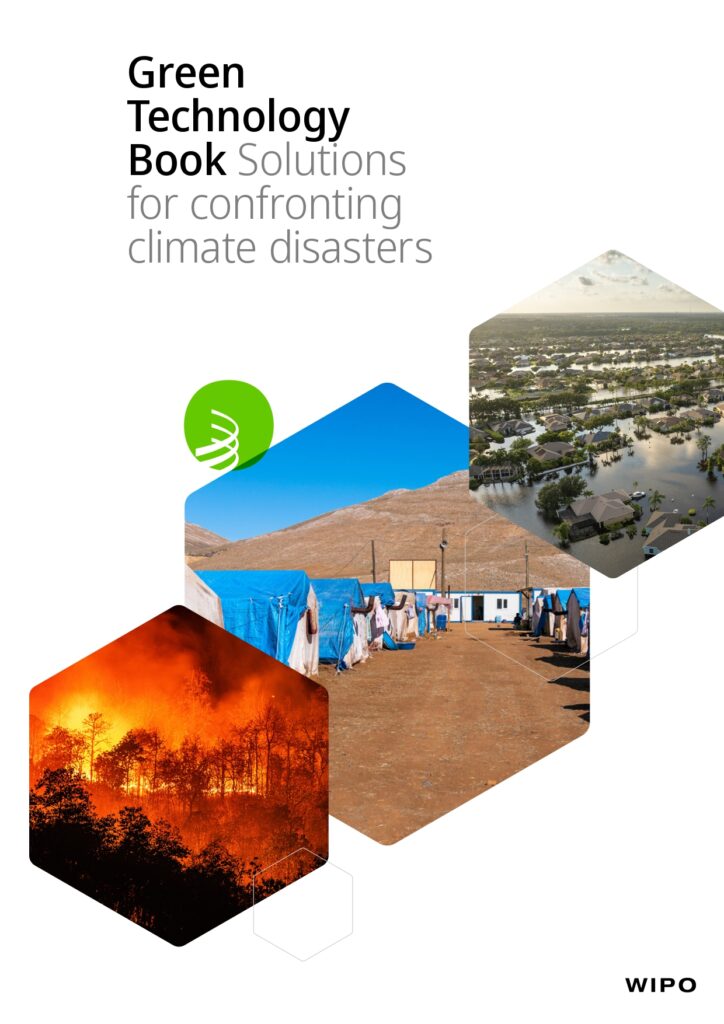
The 4th Edition Green Technology Book: Solutions for Confronting Climate Disasters
The 4th Edition Green Technology Book explores how innovation is reshaping disaster risk management in the face of climate crises. It presents practical and cutting-edge solutions, from AI forecasting to resilient infrastructure, enabled by a strong intellectual property system.
Status of IWRM & Transboundary Cooperation in Central America
The report ‘Status of IWRM & Transboundary Cooperation in Central America’ reviews the status of water in six Central American countries. In addition to highlighting progress made, the report outlines key challenges and enabling factors for advancing Integrated Water Resources Management (IWRM) and transboundary cooperation across the region.
Progress on the Sustainable Development Goals: The Gender Snapshot 2025
The 2025 SDG Gender Snapshot publication examines all 17 Sustainable Development Goals (SDGs), presenting updated data and insights on gender equality progress and disparities, including on water resources management.
Preliminary Integrated Water Resources Management Action Plan 2026-2030 for Lao PDR 
The Preliminary Integrated Water Resources Management Action Plan 2026-2030 for Lao PDR serves as a preliminary evaluation and monitoring report on the implementation of the IWRM Action Plan 2021-2025.